

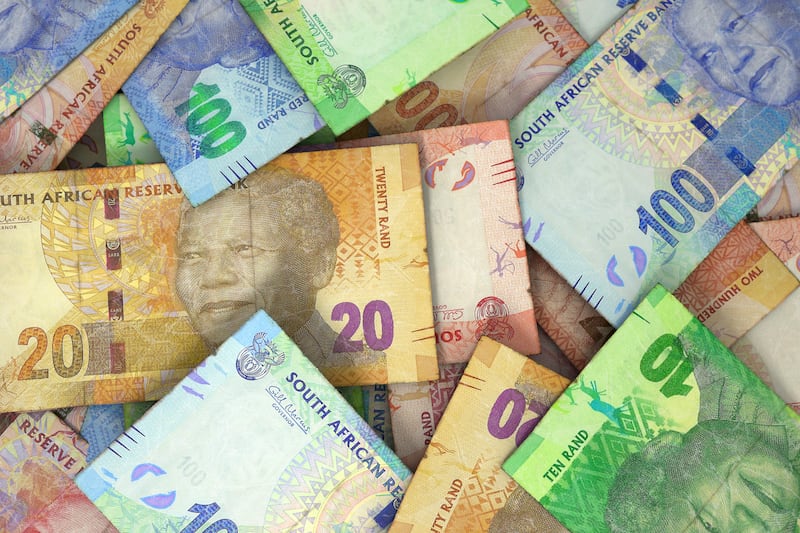
South Africa’s Constitutional Court delivered a landmark judgment in the decade-long rand manipulation case on Tuesday 30 June 2026, clearing most South African banks while keeping the case alive against BNP Paribas, JPMorgan Chase, HSBC and Investec. Image: (albund)
South Africa’s Constitutional Court has delivered a landmark judgment in the decade-long rand manipulation case. The rand manipulation Constitutional Court ruling came on Tuesday 30 June 2026. It cleared most South African banks but kept the case alive against several major global institutions. Furthermore, the Competition Commission suffered a significant blow as its case against Standard Bank, Nedbank and FirstRand collapsed. As a result, the judgment changes one of the biggest competition cases in South African legal history.
Rand Manipulation Constitutional Court Ruling: What Was Decided
Justice Owen Rogers wrote the majority judgment. The court ruled against the Competition Commission on most points. Standard Bank, Nedbank and FirstRand walk free. Furthermore, the commission’s appeal failed against Bank of America, Nomura, Commerzbank, Macquarie, HSBC Bank USA, Merrill Lynch and ANZ Banking Group. As a result, the commission can no longer pursue those institutions.
However, the ruling was not a complete defeat. The case continues against BNP Paribas, JPMorgan Chase Bank, HSBC Bank Plc, Investec and Standard Americas Incorporated. Those banks must now face a full hearing at the Competition Tribunal. Furthermore, Credit Suisse secured a separate victory. The court dismissed the commission’s attempt to add the Swiss bank to the litigation. As a result, the case is now much narrower than the commission had hoped.
What the Banks Were Accused Of
The Competition Commission alleged that traders colluded to manipulate the rand-dollar exchange rate between 2007 and at least September 2013. Traders allegedly used private electronic chat rooms to coordinate activity. They shared confidential customer order information to influence the timing and pricing of foreign exchange deals.
One of those chat rooms was allegedly named ZAR Domination. The alleged conduct amounts to price fixing and collusive trading under the Competition Act. The commission sought fines of up to 10 percent of each bank’s South African revenue. Furthermore, it argued the banks’ conduct weakened the rand and hurt South Africa’s dollar-denominated imports and exports worth $2 trillion. As a result, the potential economic consequences of the alleged manipulation were vast.
What Standard Bank Said About the Rand Manipulation Ruling
Standard Bank welcomed the ruling on Tuesday. “The judgment affirms the consistent position maintained by the bank since the inception of this matter in 2017 and throughout these proceedings, that neither Standard Bank nor any of its employees was involved in a conspiracy to manipulate the rand,” the bank said. Furthermore, Standard Bank said it conducts its business with full integrity and in compliance with all laws. As a result, South Africa’s largest bank moves forward free of a legal cloud that has hung over it since 2017.
The Banks That Already Settled
Several banks settled before Tuesday’s ruling rather than fight all the way to the Constitutional Court. Standard Chartered admitted to prohibited conduct and paid more than R42 million in 2023. Citibank paid approximately R69.5 million in 2017 and committed to full cooperation with the commission. Furthermore, Absa faced no penalty after becoming the first to apply for leniency. As a result, settling banks have already paid hundreds of millions of rands before the remaining cases reach a full hearing.
What Happens Next at the Competition Tribunal
The case now returns to the Competition Tribunal. Judges there must decide whether traders at BNP Paribas, JPMorgan Chase Bank, HSBC Bank Plc, Investec and Standard Americas Incorporated broke the law. Furthermore, the Tribunal must decide whether their conduct contravened the Competition Act. As a result, South Africans may wait several more years for a final answer on whether the rand was deliberately manipulated.
Why This Matters for Ordinary South Africans
The rand manipulation case is not abstract. When banks allegedly fix the exchange rate, South Africans pay more for imports, fuel and food. Furthermore, a weaker rand forces the South African Reserve Bank to raise interest rates. That makes mortgages, car loans and credit card debt more expensive for millions of households. As a result, the alleged collusion in private chat rooms between 2007 and 2013 still affects the cost of living in South Africa today.
Editors Note All information in this article is based on the Constitutional Court judgment delivered on 30 June 2026 and media reports by Business Day, IOL, Reuters and Bloomberg. The ruling does not determine whether any bank manipulated the rand. That question now falls to the Competition Tribunal.