
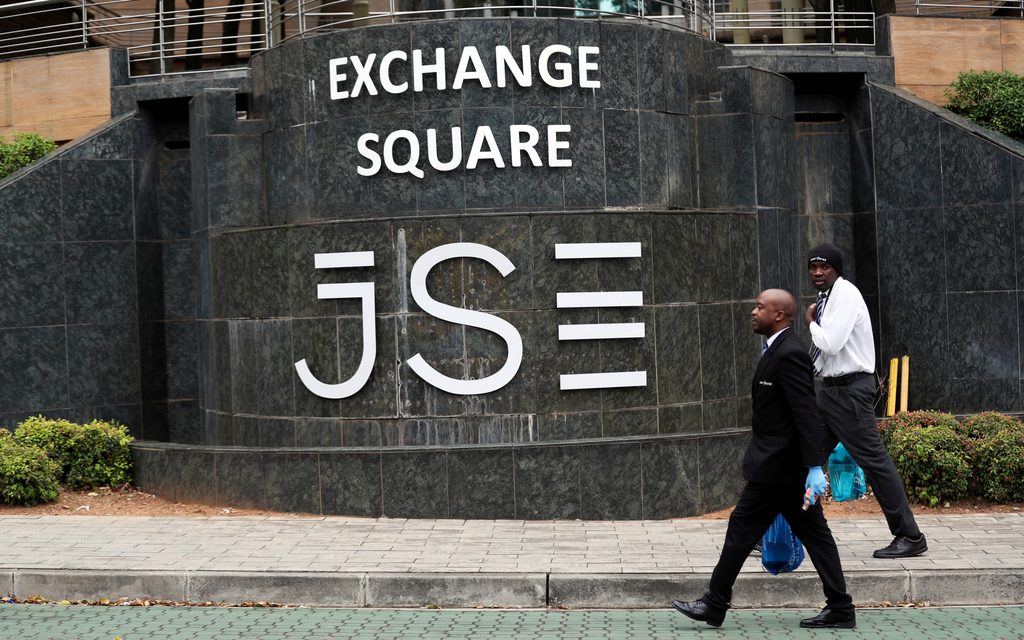
It was a good day for the JSE and rand on Thursday. The local stock market rose by more than one and a half percent, while the rand strengthened against the US dollar. The gains came as global markets recovered from a nervous midweek sell off.
The rally marked a sharp turnaround from Wednesday. On that day, new figures showed that US inflation rose to 3.7 percent, higher than markets expected. The data raised fears that the US Federal Reserve could raise interest rates sooner rather than later. Higher US rates usually make dollar investments more attractive, which tends to pull money away from emerging markets like South Africa. As a result, the rand weakened, and precious metals fell sharply.
What lifted the JSE and rand
However, the mood changed completely on Thursday. The dollar index fell back from an 18 month high, and US bond yields eased. This gave the rand room to recover. In early trade, the rand stood at about R16.56 to the dollar, roughly 0.3 percent stronger than its previous close.
At the same time, precious metals bounced back strongly. Gold rose by almost two percent, while silver jumped by more than three percent. Platinum also gained nearly two percent. Globally, gold mining shares rose by more than four percent. Mining companies make up a large part of the JSE, so a rebound in metal prices often gives the local market a lift. By the end of the day, the JSE had gained more than one and a half percent.
South African government bonds also firmed. The yield on the benchmark 2035 government bond fell by 6.5 basis points to 8.69 percent. When bond yields fall, it usually means investors feel more confident about lending to government. In turn, this can lower the cost of government borrowing.
Good news on South Africa’s credit rating added to the positive mood. Earlier this week, Moody’s vice president Evan Wohlmann said the agency could upgrade South Africa if its finances keep improving. Moody’s currently rates South Africa at Ba2, two notches below investment grade. In May, the agency changed its outlook from stable to positive. Moody’s last upgraded South Africa in 2009.
However, Moody’s has set clear conditions. It wants to see government control spending, collect more revenue and steadily reduce public debt. It also warned that weaker economic growth or a long energy price shock could get in the way.
That makes next week’s budget especially important. Finance Minister Enoch Godongwana will table the medium term budget policy statement in Parliament on Wednesday, 21 October, at 14:00. Markets hope it will show an improving budget balance. According to ETM Analytics, the rand is looking to US markets for direction, but the budget statement will keep traders waiting.
In addition, global markets remain focused on the US Federal Reserve. The Fed holds its next policy meeting on 27 and 28 October. Any sign of higher US interest rates could again put pressure on the rand and the JSE.
For ordinary South Africans, the rand’s direction matters most at the petrol pump. Early data points to a petrol price increase of about R1.80 a litre in November, with diesel rising by about R1. Those increases would push fuel prices to new record highs. A stronger rand for the rest of the month could help ease that blow, because South Africa pays for its fuel imports in dollars.
Furthermore, a stronger rand can make other imported goods cheaper over time. This can help ease pressure on prices and, eventually, on interest rates.