

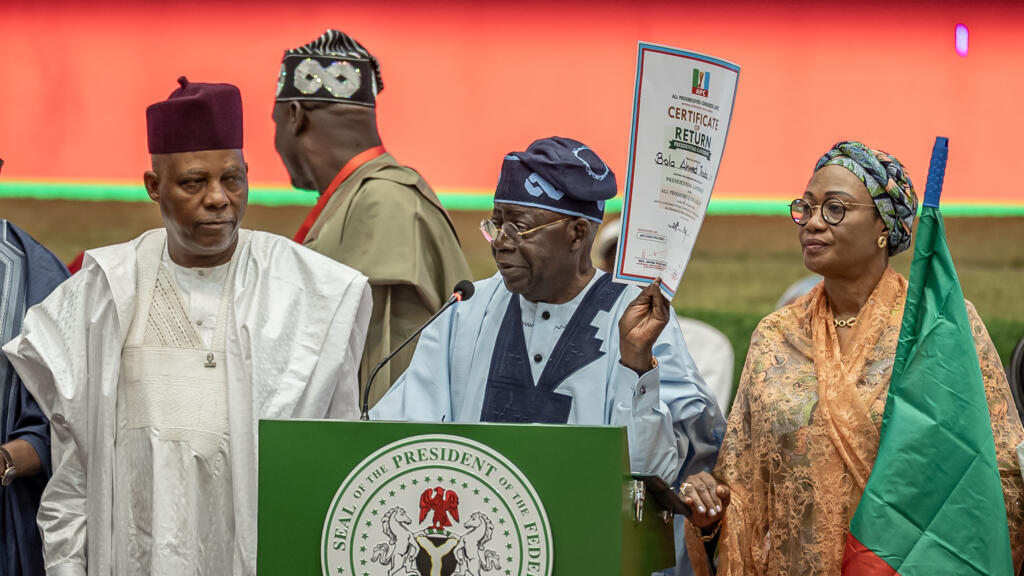
Nigeria’s National Assembly suspended all official visits to South Africa on Friday 11 September 2026 and ordered a boycott of all South African-hosted legislative activities over continuing attacks on Nigerian and other African nationals in South Africa. Image: Oriye Tamunotonye / AFP/Archives
Nigeria’s National Assembly suspended all official visits to South Africa on Friday 11 September 2026. The Nigeria South Africa parliamentary suspension followed a boycott order on South African-hosted legislative activities. Furthermore, National Assembly Clerk Kamoru Ogunlana announced the decision after consultations between Senate and House of Representatives leaders. As a result, South Africa now faces the most direct legislative pressure from a fellow African country since the xenophobia crisis began in 2026.
Ogunlana made the National Assembly’s position clear. “The National Assembly has resolved to suspend all official visits to the Republic of South Africa and to boycott South African-hosted or South African-organised legislative activities and engagements until further notice,” he said. The suspension covers lawmakers, committees, officials and staff. It also covers virtual engagements. Furthermore, Nigeria expressed concern about its citizens being killed, injured and forced to abandon businesses and homes. As a result, the suspension covers every form of official parliamentary contact with South Africa.
The move follows months of pressure on Nigeria to act in defence of its citizens. In June 2026 two Nigerian nationals died during anti-migrant violence in South Africa. Both deaths happened two days before the unofficial deadline set by anti-immigration protesters for foreign nationals to leave. Emeka Charles Iroegbu allegedly died at the hands of Tshwane Metro Police officers in Pretoria on 28 June. Musa Yunana Joe died outside his shop in Witbank the same day. Furthermore, by July 2026 Nigeria evacuated 1,490 of its citizens from South Africa. As a result, the parliamentary suspension is the latest in a series of escalating Nigerian responses.
Nigeria formally reported South Africa’s xenophobic attacks to the African Union in Luanda on 30 August 2026. It called on the AU to place the matter on the January 2027 Assembly agenda. Nigeria acknowledged South Africa’s right to manage its borders. It argued that violence against foreign nationals crosses a line the continent cannot ignore. Furthermore, South Africa maintained it does not accept xenophobia and that law enforcement acted to protect foreign nationals. As a result, diplomatic channels between the two countries remain open even as parliamentary pressure reaches a new high.
The suspension does not amount to a break in diplomatic relations. The two countries continue to engage at government level. Nigeria’s Ambassador Sola Enikanolaiye hosted South African Foreign Minister Ronald Lamola for discussions about the crisis. Furthermore, South Africa’s figures show almost 90,000 people were repatriated or deported since the migration tensions began. Figures from migrants’ home countries put the number at approximately 178,000. As a result, the scale of displacement in the 2026 xenophobia crisis is far larger than most South Africans realise.
South Africa faces pressure on multiple fronts. Ghana filed a separate petition with the African Union. Two Ghanaian nationals approached the International Criminal Court. Zambia and Malawi raised concerns through diplomatic channels. ECOWAS announced investigations into attacks on West African nationals. The same West African bloc applying the most pressure on South Africa has its own complicated relationship with migration and anti-foreigner sentiment. Furthermore, Kenya’s President Ruto ordered a crackdown on foreign traders in Kenya in early September 2026, driven by the same economic pressures critics say fuel anti-immigrant sentiment across the continent. As a result, whether the AU’s focus on South Africa misses a broader continental pattern remains an open question.
Read more: Nigeria Takes South Africa Xenophobia Complaint to the African Union