

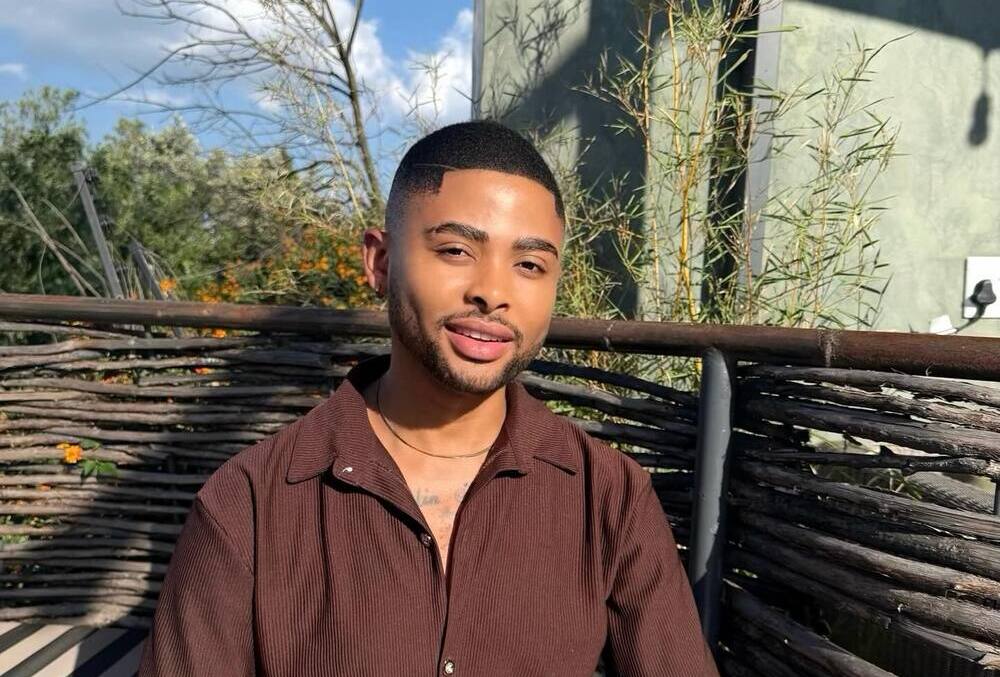
Content creator Austin Adida Mzukwa shared a video from the airport after he was denied entry into Zanzibar. Image credit TikTok, austin_xhh26
South African content creator Austin Adida Mzukwa has been denied entry into Zanzibar, Tanzania, after arriving for his birthday celebration. The Austin Mzukwa Zanzibar trip ended at the airport, and the incident has now sparked a heated debate among South Africans about double standards on the continent.
Mzukwa is known for showing off a lavish lifestyle online, including luxury cars and designer goods. He travelled to the island with a friend and later shared a video on TikTok from the arrivals area near passport control, as the pair waited with their luggage to fly back.
According to Mzukwa’s account, officials refused him entry because they believed his travelling companion was his romantic partner. Tanzanian authorities have not commented publicly on the matter.
Zanzibar’s strict laws
Same sex sexual activity is illegal in Zanzibar and carries prison sentences of up to 14 years for men and five years for women. Mainland Tanzania also criminalises same sex relations.
In addition, Zanzibar is a conservative and largely Muslim region. Travel advisers warn visitors to avoid public displays of affection, and authorities on the island have arrested people over alleged homosexuality in the past.
This stands in sharp contrast to South Africa. In 1996, South Africa became one of the first countries in the world to protect sexual orientation in its Constitution. Ten years later, it legalised same sex marriage.
Austin Mzukwa Zanzibar incident sparks double standards debate
However, much of the reaction online has focused less on Mzukwa and more on how countries enforce their laws. Commentary across social media platforms largely backed Tanzania’s right to apply its own rules. Many users said travellers must research local laws before they visit any country.
Furthermore, many South Africans pointed to what they see as a double standard. According to these users, Mzukwa did not approach a Tanzanian NGO, take Tanzania to court or call on international media. Instead, he simply accepted the decision and headed home.
They argued that the reaction would be very different if South Africa enforced its own laws in the same way. In their view, any move by South Africa to tighten immigration rules or deport undocumented people quickly draws criticism from human rights groups, legal challenges and international attention.
Some users went further and said that human rights concerns only seem to arise when South Africa is the country enforcing the rules. Meanwhile, according to them, other African countries apply strict laws without the same scrutiny. As a result, many called on South Africa to be allowed the same freedom to uphold its laws.
On the other hand, some users raised concerns about the treatment of LGBTQ travellers across Africa. They argued that refusing entry based on someone’s perceived relationship raises serious human rights questions, no matter which country does it.
The debate comes at a time when immigration remains a highly sensitive issue in South Africa, with ongoing tension over undocumented migrants and border enforcement.
For now, Mzukwa is heading home, and the Austin Mzukwa Zanzibar incident has become one of the most talked about stories on South African social media this week.
Read more