

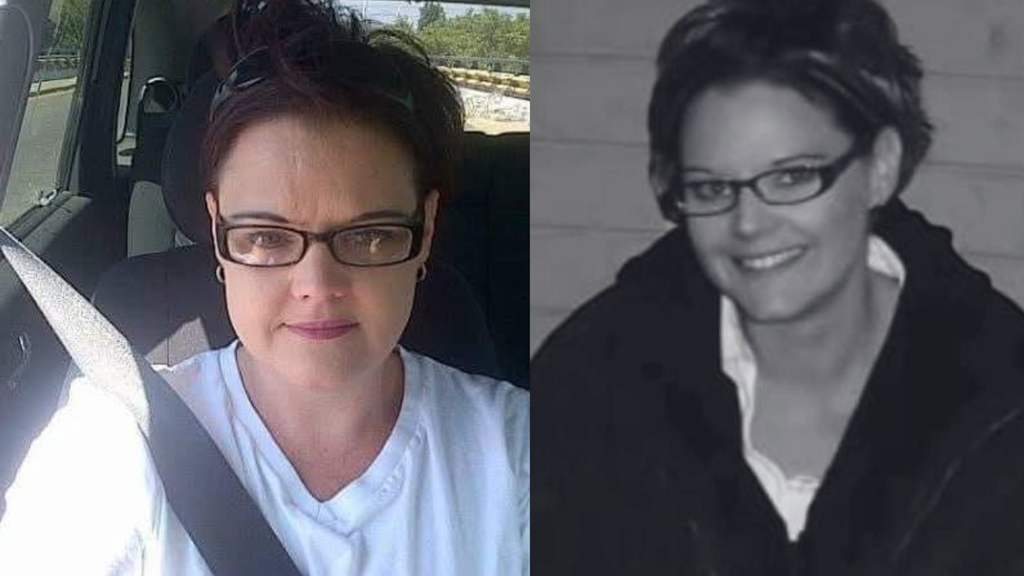
Carin Cilliers, 49, from Bardene in Boksburg, died in Houston, Texas on 8 September 2026 just over two months after arriving in the United States under Trump’s Afrikaner refugee programme. Image: Supplied
Carin Cilliers, 49, from Bardene in Boksburg, died in Houston, Texas on Tuesday 8 September 2026. She arrived under Trump’s Afrikaner refugee programme just over two months before her death. The Carin Cilliers Afrikaner refugee death shocked the South African community in the US and back home. Furthermore, Cilliers arrived on 30 June 2026 hoping to build a new life. She left South Africa after several major traumatic events. As a result, her story has become one of the most painful examples of the hidden cost of the refugee programme.
Cilliers first settled in San Andreas in California before moving to Texas. Her cousin Yolandé Cilliers, who also left South Africa under the programme, said Carin struggled with loneliness. She wanted to return home in the weeks before her death. “Many people think it is easy to start over. It is not, especially when you are taking on this journey alone,” Yolandé said. Furthermore, Yolandé said she and Carin had not spoken since June but knew Carin was struggling. As a result, finding work proved to be one of the biggest obstacles Carin faced in the US.
Lianda Alkema, a South African refugee and Texas-based recruiter, knew Carin and described her as a compassionate woman with an impressive CV. Finding work proved difficult despite her strong background. “I usually tell the refugees that the perfect job does not come overnight. Some refugees expect to walk into a managerial position but the reality is that you have to start at the bottom,” Alkema said. Furthermore, fellow refugee Nerine Beukes said South African qualifications carry little weight in the American job market. As a result, the gap between what refugees expect and what they find in the US has become a growing concern.
Cilliers had a history of depression and a previous diagnosis of bipolar disorder. Her mental health has prompted questions about screening for people entering the refugee programme. Alkema confirmed that mental illness does not automatically exclude applicants. “The programme does not discriminate against mental illnesses,” she said. Dr Hermann Liebenberg, a Pretoria-based psychologist, believes applicants should undergo mental health assessments before approval. Furthermore, he stressed the importance of connecting with fellow South Africans. “They will become your anchor, especially if you are alone,” Liebenberg said. As a result, mental health professionals are calling for better support for refugees who arrive without family networks.
Back in Boksburg, Cilliers ran her own business and was a passionate horse lover. She left under a programme that admitted more than 6,500 South Africans since Trump signed an executive order in February 2025. The Trump administration later increased the annual cap to 17,500. Furthermore, hundreds of Afrikaner applicants received rejection letters dated 30 June 2026. The letters gave no explanation and no right of appeal. As a result, the programme has produced both life-changing moves and devastating disappointments.
Yolandé launched a fundraiser to cover the costs of travelling to Houston, arranging Carin’s cremation and dealing with her affairs. The South African Women in the USA and Canada WhatsApp and Facebook group supports refugees through communication and emergency contact sharing. Yesterday, 10 September 2026, was World Suicide Prevention Day. The day aims to raise awareness that suicide can be prevented and encourage open conversations about mental health.
Read more: Afrikaner ‘Refugee’ Santana de Bruyn Lists R2.3 Million Gqeberha Home After Relocating to U.S.