

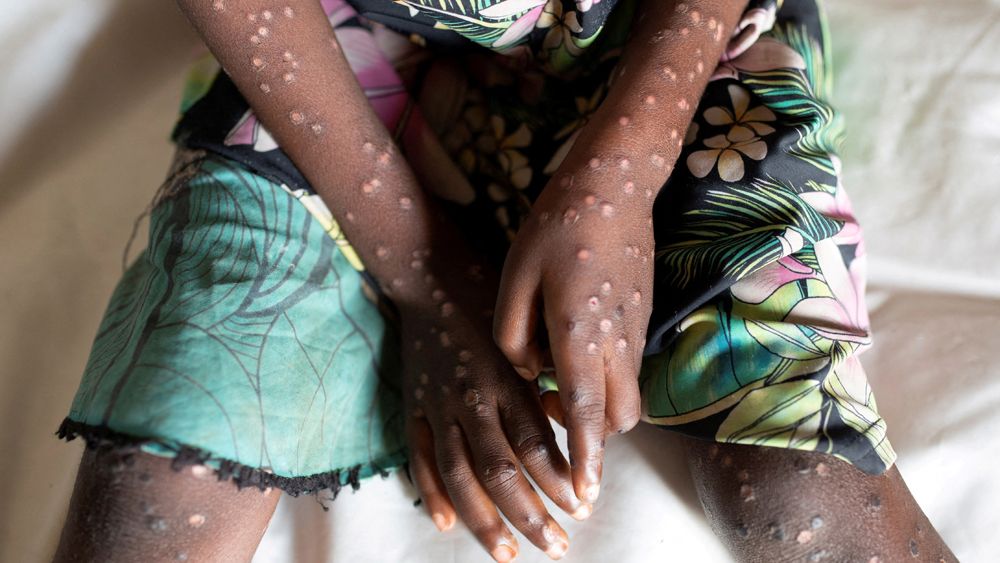
The National Department of Health called for public vigilance on Thursday 17 September 2026 after South Africa confirmed 18 mpox cases, with 15 of those in the Western Cape, three in Gauteng and one in KwaZulu-Natal. Image: Reuters
The National Department of Health called for public vigilance on Thursday 17 September 2026 after South Africa confirmed 18 mpox cases. One probable case was also reported. The South Africa mpox cases 2026 update shows 15 of the 18 confirmed cases in the Western Cape. Three are in Gauteng and one is in KwaZulu-Natal. Furthermore, thirteen cases were recorded between 13 August and 17 September 2026, suggesting rapid local transmission. As a result, health authorities are urging anyone with symptoms to seek medical attention and avoid close contact with others.
Department of Health spokesperson Foster Mohale said mpox spreads mainly through close physical contact with an infected person or contaminated materials. Bedding, clothing and towels can carry the virus. The department said anyone with symptoms after close contact with a confirmed or suspected case should seek medical attention. Do not delay. Furthermore, anyone can contract mpox regardless of age, gender, sexual orientation or race. As a result, no group is immune and everyone should take the warning seriously.
Mpox symptoms include a rash lasting two to four weeks, fever, headache, muscle aches, back pain, low energy and swollen glands. The rash typically starts on the face and spreads. Mpox is generally mild with a low death rate. However, people with weakened immune systems face a higher risk. People living with HIV who are not taking their treatment are especially vulnerable. Furthermore, South Africa’s 2024 mpox outbreak showed a case fatality rate of approximately 12%. Most of those deaths occurred in people with uncontrolled HIV. As a result, the department is urging people living with HIV to monitor their health and act quickly if symptoms appear.
Mpox remains a Public Health Emergency of International Concern under the World Health Organization. It is also a Public Health Emergency of Continental Security under the Africa CDC. Both declarations have been in place since August 2024. The virus spreads through close skin-to-skin contact and can also pass from animals to humans. Furthermore, thirteen cases in just over a month is faster transmission than South Africa has recently seen. As a result, the Department of Health treats this as urgent while urging the public not to panic.
South Africans with symptoms should contact their nearest public health facility. Those with symptoms should self-isolate. Avoid sharing bedding, clothing or towels until a doctor gives clearance.