

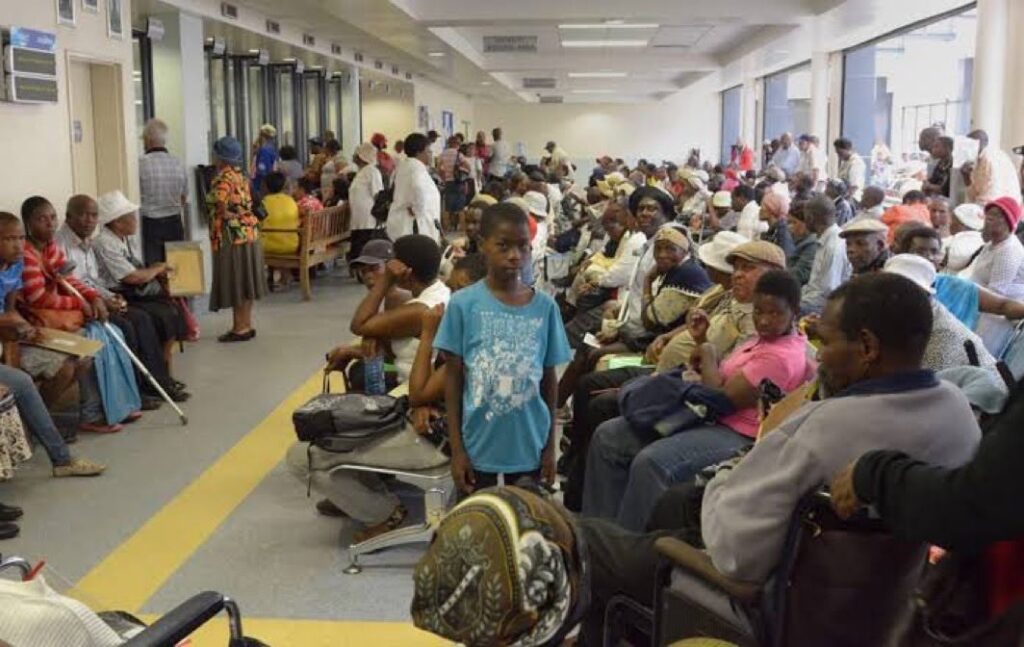
The South African Human Rights Commission stated during a virtual imbizo on Monday 25 May 2026 that there is no evidence foreign nationals are responsible for overcrowding in South African public hospitals. Image: Supplied
The South African Human Rights Commission has stated that there is no evidence to support claims that foreign nationals are responsible for overcrowding in South African public hospitals. The finding was made during a virtual imbizo held on Monday 25 May 2026. South Africans have responded sharply, saying the commission is out of touch with reality on the ground.
The South African Human Rights Commission has entered the country’s heated immigration debate. During a virtual imbizo on Monday 25 May 2026, the commission stated that claims linking foreign nationals to overcrowding in public hospitals are not supported by available evidence. The finding has drawn immediate and pointed responses from South Africans across the country.
What the Commission Said
The commission convened the virtual imbizo to discuss xenophobia and the rights of foreign nationals in South Africa. It stated that claims linking foreign nationals to hospital overcrowding are not supported by evidence. The commission warned that such claims risk fuelling hostility toward migrants. It added that these claims also undermine constitutionally protected rights.
The commission has been an active participant in the immigration debate. It has engaged on the issue since the anti-illegal immigration protests in Pretoria and Johannesburg earlier this year. Monday’s imbizo formed part of a series of public engagements on the matter.
South Africans Push Back
The commission’s finding has not been well received by many South Africans online. Commentary across social media reflects deep frustration with the conclusion. Many say it contradicts what they experience every day at public hospitals and clinics.
South Africans have pointed to overcrowded facilities in areas with high numbers of undocumented foreign nationals. They describe patients sleeping on floors, waiting days for treatment and being turned away from full facilities. They argue that the absence of data does not mean the problem does not exist. It may simply mean the data is not being collected.
Others have noted that the Health Department has itself acknowledged the public health system is under severe strain. Infrastructure backlogs, staff shortages and population growth are among the cited causes. Whether undocumented migration contributes to that strain remains a contested question.
The Data Question
Central to the commission’s finding is the question of evidence. South Africa does not systematically collect or publish data on the nationality of patients in the public health system. This means the commission’s statement may reflect the absence of data rather than the absence of the problem itself.
Health economists have long noted that the public health system’s challenges are multifactorial. Definitively attributing specific causes to specific outcomes requires data the system does not currently generate. The commission’s finding therefore raises as many questions as it answers.
The Broader Context
The commission’s intervention comes at a critical moment in the immigration debate. The South African government recently acknowledged in an official social media post that undocumented migration places strain on healthcare, housing and municipal services in poor communities.
Zimbabwe’s Foreign Affairs Minister told SABC News at a SADC meeting that there is no migration crisis. Ghana’s evacuation flight departed OR Tambo International Airport with one passenger before being rescheduled following a surge in registrations to 826 people.
The Human Rights Commission now adds its voice to a debate where facts are vigorously contested. The gap between official positions and the lived experience of ordinary South Africans continues to grow.
Editors Note The views expressed by South Africans referenced in this article are those of members of the public expressed online and on the ground and do not represent the editorial position of Mzansi Today Live. All information about the Human Rights Commission virtual imbizo is based on publicly available statements as at 25 May 2026.