

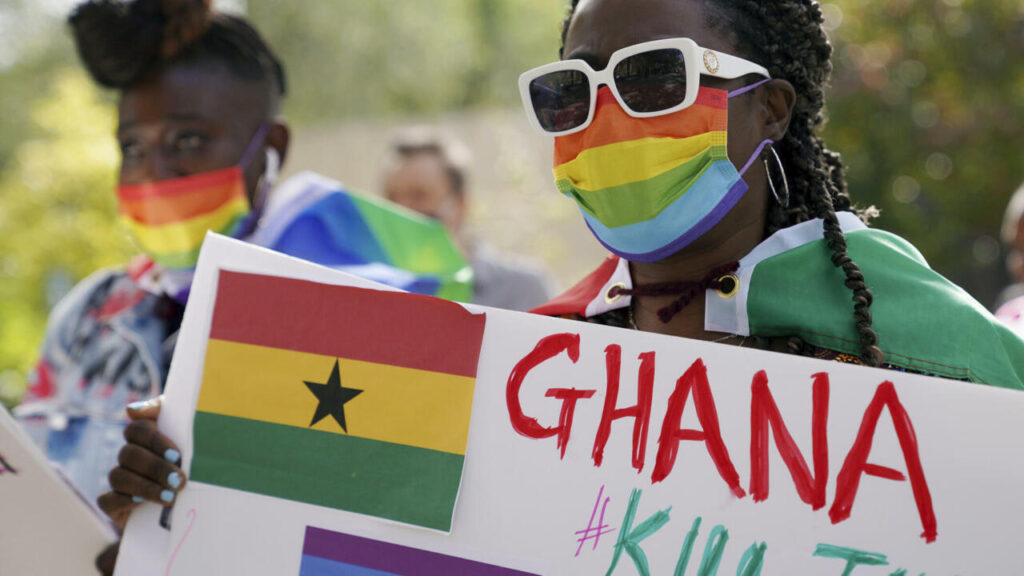
Ghana’s parliament passed the Human Sexual Rights and Family Values Bill on 29 May 2026. The law criminalises identifying as LGBTQ with up to three years in prison. Furthermore, promoting LGBTQ activities carries up to ten years imprisonment. This Ghana anti-LGBTQ law arrives days after Ghana’s Foreign Affairs Minister demanded dignity for Africans on African soil during diplomatic engagements with South Africa.
What the Ghana Anti-LGBTQ Law Says
Ghana’s parliament passed the bill on Thursday 29 May 2026 with bipartisan support. Reverend John Ntim Fordjour and Samuel Nartey George sponsored the legislation. It now awaits the signature of President John Dramani Mahama. Mahama has previously signalled his support for the bill.
Under the new law, anyone who identifies as lesbian, gay, bisexual, transgender or queer faces up to three years imprisonment. Furthermore, anyone who promotes, sponsors or supports LGBTQ activities faces up to ten years in prison. The law also introduces a duty to report prohibited acts to police. As a result, supporters, allies, parents of LGBTQ children, teachers and healthcare workers could also face prosecution.
Human Rights Watch formally recommended that the bill be abandoned. Furthermore, Amnesty International described it as one of the most draconian anti-LGBTQ laws in Africa. The bill expands on colonial-era laws that already banned same-sex relationships in Ghana.
The Diplomatic Context
The timing of the bill’s passage is notable. Ghana’s Foreign Affairs Minister Samuel Okudzeto Ablakwa spent recent weeks publicly demanding that no African should be dehumanised on African soil. His remarks were directed at the treatment of Ghanaian nationals in South Africa during anti-illegal immigration protests. Furthermore, Ghana chartered a government-funded evacuation flight for 300 citizens citing concerns about their safety in South Africa.
However, the passage of the anti-LGBTQ bill has prompted questions about consistency. Critics have noted that a government demanding the protection of its citizens’ dignity abroad has simultaneously passed legislation that human rights organisations describe as one of the most severe violations of fundamental rights on the African continent.
The bill’s sponsors presented a different perspective. Reverend Fordjour argued that the legislation protects Ghanaian family and cultural values. He said the new law would make existing legislation more robust and more encompassing.
Reactions to the Ghana Anti-LGBTQ Law
Human rights organisations reacted swiftly and critically. Amnesty International warned that LGBTQ people in Ghana have already experienced forced evictions, loss of employment and increased violence since the bill was first introduced in 2021. Furthermore, Human Rights Watch noted that the bill subjects individuals who advocate for LGBTQ rights, including parents, journalists and doctors, to prosecution.
Religious leaders in Ghana broadly welcomed the legislation. They have been pressuring President Mahama to strengthen anti-gay laws since he returned to office in January 2025. Ghana’s Supreme Court has already upheld the colonial-era law criminalising gay sex. Therefore, legal challenges to the new bill face a difficult path.
South Africa’s Constitutional Position
South Africa is the only country in Africa that constitutionally protects the rights of LGBTQ citizens. Section 9 of the South African Constitution explicitly prohibits discrimination on the grounds of sexual orientation. Furthermore, South Africa legalised same-sex marriage in 2006. Therefore, South Africa’s constitutional framework stands in direct contrast to Ghana’s new legislation.
The contrast has become part of the public conversation in both countries as the diplomatic relationship between Pretoria and Accra has intensified in recent weeks.
What Happens Next
The bill now awaits President Mahama’s signature. If he signs it, the law will come into effect immediately. Human rights organisations have called on Mahama not to sign. However, given his previously stated support for the legislation, that appeal faces significant obstacles.
Read our earlier coverage: Ghana Charters Evacuation Flight for 300 Citizens From South Africa. One Person Shows Up.
Editors Note All information about the Ghanaian legislation is based on official parliamentary records and international human rights organisation reports as at 1 June 2026.