

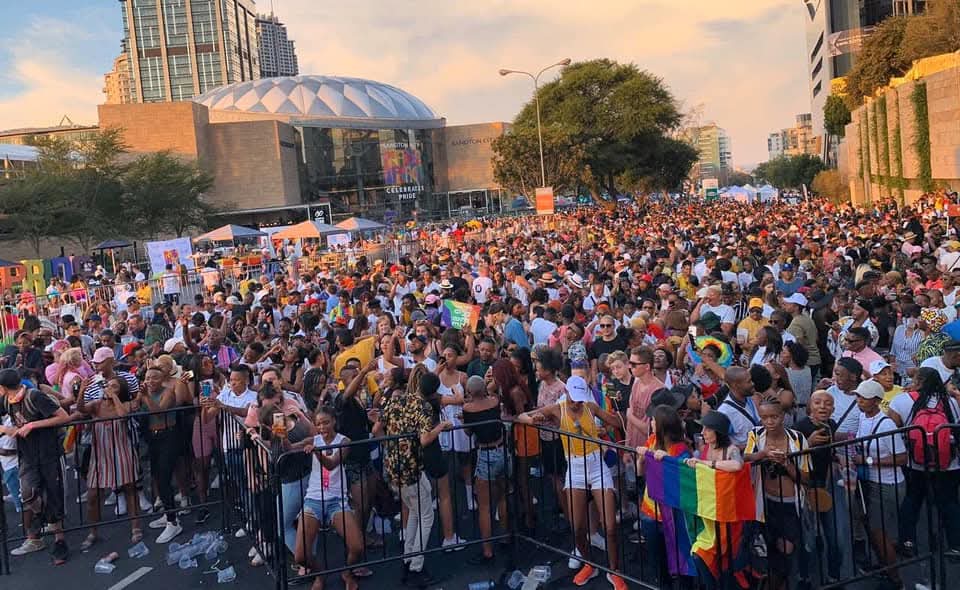
South Africa remains the only African country with full constitutional protection for LGBTQ rights, a distinction worth marking this Pride Month. Image: Johannesburg pride
Pride Month South Africa carries a weight that few other countries on the continent can claim. South Africa remains the only African nation with full constitutional protection for LGBTQ rights. While Ghana has just passed one of the harshest anti-LGBTQ laws on the continent, South Africa stands as a rare and deliberate exception. This Pride Month, that distinction deserves to be celebrated, not taken for granted.
Pride Month South Africa: A Constitution Built on Dignity
Section 9 of the South African Constitution explicitly prohibits discrimination on the grounds of sexual orientation. It was the first constitution in the world to include such a clause. South Africa legalised same-sex marriage in 2006, becoming the first African country and only the fifth in the world to do so. Furthermore, this protection was not an accident of history. It was a deliberate choice made by the architects of the new South Africa, who understood that a constitution born from the fight against one form of discrimination could not credibly permit another.
That choice still matters today. Across the rest of the continent, more than 30 countries criminalise same-sex relationships. Some impose the death penalty. Ghana’s new Human Sexual Rights and Family Values Bill, passed in May 2026, criminalises LGBTQ identity itself with up to three years in prison and up to ten years for those who support or promote LGBTQ rights. Against that backdrop, South Africa’s constitutional position is not just progressive. It is genuinely rare.
The Gap Between the Law and Lived Experience
However, Pride Month is also a moment for honesty. South Africa’s legal protections have not eliminated the violence, discrimination and prejudice that LGBTQ South Africans still face daily. Hate crimes against LGBTQ individuals, particularly Black lesbian women in townships, remain a serious and ongoing problem. Corrective rape, a term coined in South Africa itself, continues to be reported in communities where the law’s protection has not translated into social acceptance.
This gap between constitutional promise and daily reality is not a reason to dismiss what South Africa has built. It is a reason to keep building it. A constitution that protects you on paper but does not protect you walking home at night is unfinished work. Pride Month is as much about acknowledging that unfinished work as it is about celebrating what has already been achieved.
Why This Distinction Matters Regionally
South Africa’s position becomes even more significant when placed next to its neighbours and the broader continent right now. Ghana has just criminalised LGBTQ identity. Uganda’s Anti-Homosexuality Act includes the death penalty for some offences. Nigeria, Kenya and Zambia all maintain colonial-era laws criminalising same-sex relationships. South Africa is not simply different from these countries. It is the deliberate counterpoint to them, proof that an African constitution can choose dignity over discrimination and survive, even thrive, because of that choice.
This Pride Month, South Africans have something specific to celebrate that goes beyond rainbow flags and parades. They have a constitution that, however imperfectly applied, says every person deserves the same legal protection regardless of who they love. In a region where that statement remains radical, South Africa’s choice to make it law is worth marking, defending and finishing the job on.
Editors Note This article reflects the editorial perspective of Mzansi Today Live and is published as opinion and commentary.