

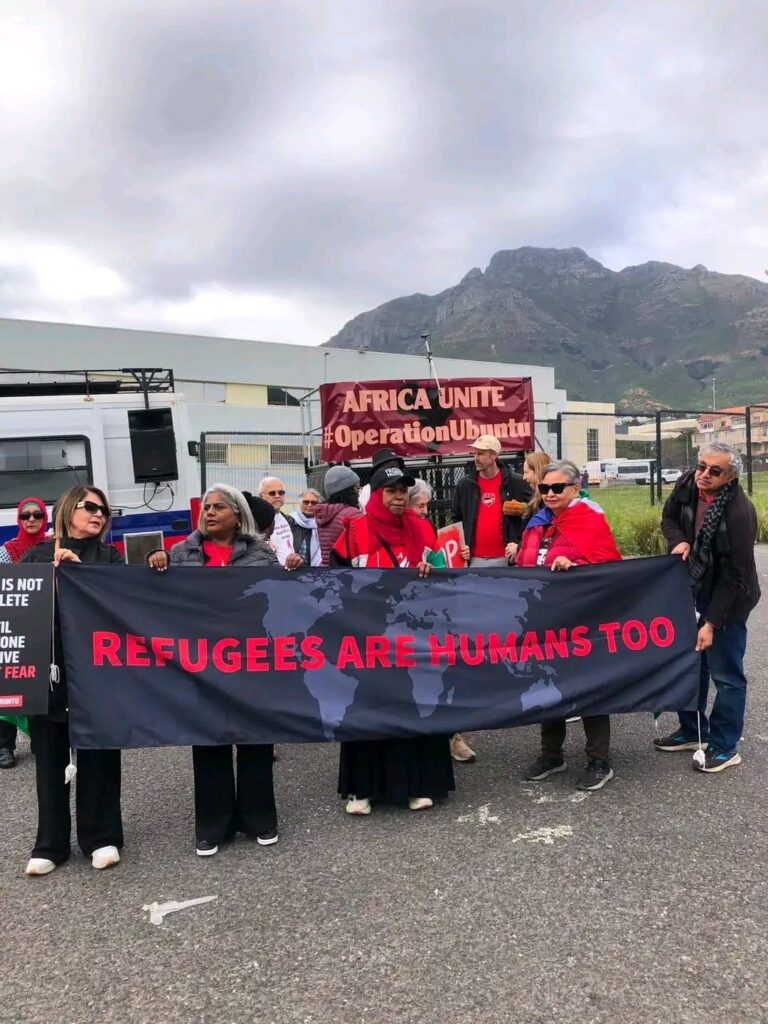
Organisations and individuals under the banner of Operation Ubuntu marched across South Africa on Saturday 8 August 2026 to denounce xenophobia, with the South African Human Rights Commission expressing its support for the movement. Image: Supplied
Organisations and individuals under the banner of Operation Ubuntu took to the streets across South Africa on Saturday 8 August 2026. They marched to denounce xenophobia and call for the protection of foreign nationals. Furthermore, the South African Human Rights Commission expressed its support for efforts to speak out against xenophobia. As a result, the march has sparked a fierce public debate about where legitimate immigration concerns end and xenophobia begins.
What Operation Ubuntu Stands For
Operation Ubuntu describes itself as a movement promoting the African philosophy of ubuntu, which means humanity toward others. The movement positions itself as a direct counterpoint to March and March and Operation Dudula. Those two organisations led the nationwide anti-immigration protests that culminated in the 30 June 2026 deadline for undocumented foreigners to leave South Africa. Furthermore, Operation Ubuntu argues that the protests damaged South Africa’s reputation on the continent and violated the spirit of African solidarity that supported the anti-apartheid struggle. As a result, its marches are as much about South African identity and values as they are about immigration policy.
The SAHRC Backs the Operation Ubuntu March
The South African Human Rights Commission confirmed its support for the march and the broader movement against xenophobia. The commission has consistently said the anti-immigration protests that swept the country between April and July 2026 crossed the line from legitimate protest into xenophobic conduct in several instances. Furthermore, the commission noted that South Africa’s constitution protects all people within its borders regardless of nationality or immigration status. As a result, the SAHRC’s backing of Operation Ubuntu carries significant legal and institutional weight in the national debate.
South Africans Push Back Against the March
Many South Africans pushed back hard against Operation Ubuntu and the SAHRC’s support for it. Commentary across social media reflects deep frustration. Many feel that organisations defending foreign nationals ignore the real concerns of communities affected by unemployment, crime and competition for scarce resources. Furthermore, critics pointed out that the SAHRC found no evidence that foreign nationals are overcrowding public hospitals. That finding generated a petition calling for the commission’s disbandment that reached more than 50,000 signatures. As a result, the Operation Ubuntu march has deepened rather than resolved the national conversation.
The Bigger Picture
The march took place against a backdrop of ongoing national tension over immigration. More than 25,000 foreign nationals were repatriated around 30 June 2026. The government spent R600 million on security for that day. Two Ghanaian nationals have petitioned the International Criminal Court over the treatment of foreign nationals in South Africa. Furthermore, many South Africans remain unconvinced that denouncing xenophobia addresses the real issues driving anti-immigration sentiment in their communities. As a result, Operation Ubuntu’s march is unlikely to be the last word on a debate that shows no signs of resolving itself.
Editors Note The views expressed by Operation Ubuntu and the South African Human Rights Commission are their own. The views expressed by South Africans referenced in this article are those of members of the public and do not represent the editorial position of Mzansi Today Live. Mzansi Today Live will update this article as further information becomes available.